
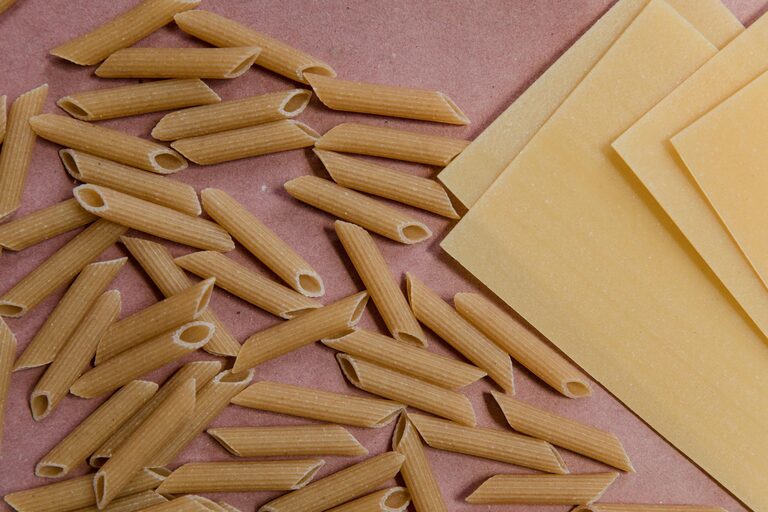
When your fridge is running low or you’re looking to cut down on grocery trips, your pantry can become a treasure trove for meal planning. With a well-stocked pantry and a bit of creativity, you can whip up satisfying meals without the stress of last-minute shopping.
In this post, we’ll explore how to plan meals using pantry staples effectively, helping you save money, reduce waste, and enjoy a variety of dishes.
What Are Pantry Staples?
Pantry staples are non-perishable or long-lasting ingredients that form the foundation of many recipes. These items have a reasonably long shelf life and can be used in multiple meal types, from breakfasts to dinners and snacks.
Common pantry staples include:
– Dried pasta, rice, and grains (quinoa, oats, couscous)
– Canned goods such as beans, tomatoes, and tuna
– Flour, sugar, and baking essentials
– Cooking oils and vinegars
– Spices and dried herbs
– Broths and sauces (soy sauce, hot sauce, tomato paste)
– Nuts, seeds, and dried fruit
Having these items on hand gives you flexibility and control when planning meals.
Steps to Plan Meals from Pantry Staples
1. Take Inventory of Your Pantry
Before planning meals, it’s essential to know exactly what you have. Clear out your pantry shelves and list out all ingredients, noting expiry dates and quantities. Organize items by category to see what staples you possess and spot missing essentials.
2. Choose a Meal Planning Method
Pick a planning style that fits your lifestyle. Some popular approaches include:
– Weekly meal plans: Decide on meals for each day ahead of time.
– Flexible planning: Plan key ingredients and mix-and-match recipes based on pantry availability.
– Theme nights: Designate nights like “Pasta Wednesday” or “Soup Sunday” to simplify choices.
3. Identify Recipes Based on Available Staples
With your pantry inventory in hand, browse cookbooks, websites, or apps for recipes using those ingredients. For example, canned beans and rice can create a quick chili or a rice bowl. Canned tomatoes and pasta could lead to a simple marinara dish.
Consider versatile staples like canned tomatoes: they work for soups, stews, sauces, and casseroles.
4. Add Fresh Items When Needed
If certain recipes require fresh produce or dairy, jot those down as a targeted shopping list. Buying only what’s necessary keeps trips efficient and avoids excess food waste.
5. Prep and Store for Convenience
To make mealtime easier, prep ahead by:
– Cooking large batches of grains or beans
– Chopping vegetables in advance
– Assembling freezer-ready meals based on pantry recipes
This helps reduce daily cooking time and leverages your pantry staples fully.
Pantry Staple Meal Ideas
Here are a few meal ideas you can try using common pantry ingredients:
One-Pot Pasta with Canned Tomatoes
– Pasta
– Canned diced tomatoes
– Garlic powder or fresh garlic
– Olive oil
– Dried oregano or basil
Cook pasta directly in the sauce made from canned tomatoes and seasonings for a quick, flavorful dish that minimizes cleanup.
Bean and Rice Bowls
– Canned beans (black, kidney, chickpeas)
– Cooked rice
– Canned corn or salsa
– Spices (cumin, chili powder)
Heat beans and corn with spices, serve over rice, and top with salsa or hot sauce for a filling vegetarian meal.
Lentil Soup
– Dried or canned lentils
– Canned diced tomatoes
– Vegetable broth or bouillon
– Onion and garlic powder
– Bay leaf and thyme
Simmer lentils with tomatoes, broth, and seasonings for a hearty soup perfect for batch cooking.
Tips for Maintaining a Well-Stocked Pantry
– Regularly review inventory: Check for expired items monthly and replenish staples as needed.
– Rotate stock: Use older items first to prevent waste.
– Buy versatile ingredients: Focus on items that can be used in multiple dishes.
– Keep a running list: Note when pantry items are low so you can restock before running out.
– Store properly: Use airtight containers to keep staples fresh longer.
Benefits of Planning Meals from Pantry Staples
– Cost savings: Reduces impulse buys and frequent grocery trips.
– Less food waste: Using what you have minimizes spoilage and excess.
– Convenience: Faster meal prep with ready-to-use ingredients.
– Creative cooking: Encourages experimenting with flavors and combinations.
Final Thoughts
Planning meals around pantry staples doesn’t mean eating boring or repetitive dishes. Instead, it offers an organized, economical way to enjoy tasty, nutritious meals every day. By knowing your pantry, choosing adaptable recipes, and preparing thoughtfully, you can make efficient use of your kitchen resources.
Next time you wonder what to cook, start with a pantry check. You might be surprised at the delicious possibilities hiding in your shelves!